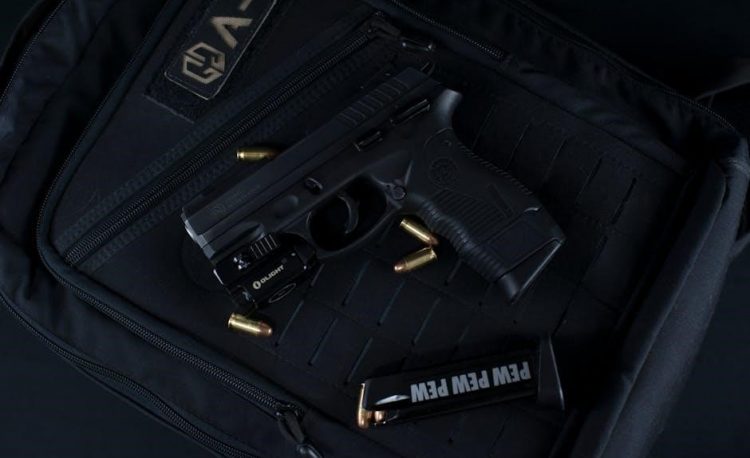
Concealed carry is gaining traction, prompting discussions about firearm safety features; manual safeties offer an extra layer of security, preventing accidental discharges and providing peace of mind for responsible gun owners.
Recent legal decisions, like Oneil v. Neronha, emphasize the Second Amendment right to bear arms, while states like North Carolina consider permitless carry legislation, influencing firearm choices.
Female gun ownership is rising, with many prioritizing self-defense; selecting a pistol with a manual safety is a crucial consideration for those seeking enhanced control and responsible carry practices.
The Increasing Popularity of Concealed Carry
The surge in concealed carry permits and the ongoing debate surrounding constitutional rights are driving a significant increase in the popularity of concealed carry pistols. Recent data indicates a notable rise in female gun ownership, with many women citing self-defense as a primary motivation for obtaining firearms and training. This trend is coupled with legislative changes, such as the proposed permitless carry laws in states like North Carolina, which aim to simplify the process of legally carrying a handgun.
This growing demand has led to increased scrutiny of firearm features, with manual safeties becoming a focal point for many potential buyers. The desire for enhanced safety and control, particularly among first-time gun owners, is fueling the demand for pistols equipped with these mechanisms. Court cases, like Oneil v. Neronha, are also shaping the landscape, reinforcing the right to self-defense and influencing consumer choices. The market is responding with innovative designs and a wider selection of concealed carry options.
Understanding Manual Safeties: A Core Component
Manual safeties are mechanical devices on a firearm that the shooter intentionally activates to prevent unintentional discharge. Unlike internal safeties, they require a deliberate action – a thumb lever, grip safety engagement, or slide/frame manipulation – to disengage the firearm. This deliberate step is crucial for safe handling, especially in concealed carry scenarios where clothing contact could potentially interfere with internal mechanisms.
These safeties provide an added layer of security, offering peace of mind to the carrier; They mitigate the risk of accidental firing during everyday activities or in stressful situations. However, effective use demands consistent training and practice to develop muscle memory. Understanding the specific operation of a chosen safety is paramount; user error can negate its benefits. The core function is to positively control the firearm’s firing mechanism, ensuring it only discharges when intended by the shooter.

Types of Manual Safeties
Manual safeties commonly appear as thumb levers, grip safeties, or slide/frame mechanisms; each type requires distinct manipulation, offering varied levels of accessibility and operational characteristics.
Thumb Safeties: Traditional and Common
Thumb safeties represent a longstanding and widely recognized design, typically located on the left side of the frame, easily accessible with the shooter’s thumb. These safeties mechanically block the trigger or firing pin, preventing unintentional discharge, and are a staple on many classic pistols like the CZ-75 series and 1911s.
Their operation requires a deliberate action to disengage, fostering a conscious decision to transition from safe to fire, which is a key benefit for concealed carry. While requiring practice for smooth manipulation, thumb safeties offer a clear visual and tactile indication of the firearm’s status – safe or ready to fire.
This distinct feedback is invaluable in high-stress situations, minimizing the risk of accidental activation. They remain a popular choice for those prioritizing an additional layer of security and control in their concealed carry setup.
Grip Safeties: Activation with a Firm Grip
Grip safeties function by requiring a consistent and firm grip on the firearm to disengage, effectively preventing operation unless properly held. Typically found on 1911-style pistols, these safeties are located on the backstrap of the grip, activated by the pressure of the shooting hand. This design intends to ensure the firearm is only operable when a shooter has established a secure and intentional grip.
However, grip safeties can present challenges for individuals with smaller hands or those experiencing reduced grip strength, potentially hindering reliable disengagement. Consistent training and proper technique are crucial to overcome these limitations and ensure the safety mechanism functions as intended.
While offering a unique safety feature, grip safeties require diligent practice to master, making them a less common choice compared to thumb safeties in modern concealed carry pistols.
Slide/Frame Safeties: Less Common, but Effective
Slide/frame safeties, though less prevalent in contemporary concealed carry designs, represent a distinct approach to preventing accidental discharge. These mechanisms typically involve a lever or button located on the firearm’s slide or frame, requiring deliberate manipulation to disengage the safety and allow firing. They offer a visual and tactile indication of the firearm’s safety status.
While providing an additional layer of security, slide/frame safeties can sometimes be less intuitive to operate quickly compared to thumb safeties, potentially impacting draw speed in self-defense scenarios. Mastering their manipulation requires dedicated practice and familiarization.
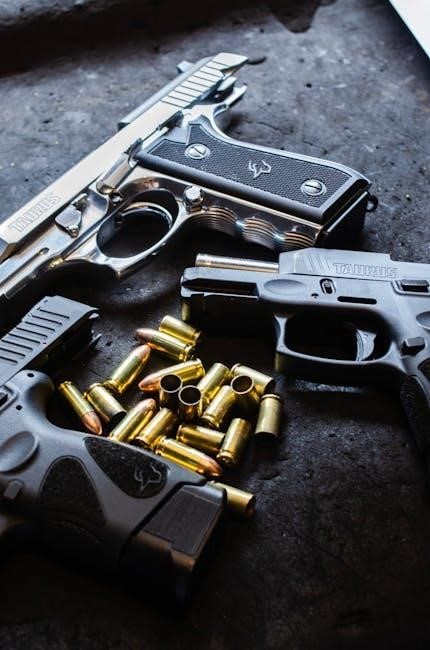
Despite their relative rarity, slide/frame safeties can be highly effective when properly utilized, offering a robust safety feature for responsible firearm owners seeking enhanced control.

Popular Concealed Carry Pistols Featuring Manual Safeties
CZ-75 models, Sig Sauer options, and Mossberg pistols stand out, offering reliable manual safeties; the classic Springfield Armory 1911 remains a timeless choice for concealed carry.
CZ-75 Series: A Classic Choice
The CZ-75 has earned a stellar reputation as an excellent concealed-carry gun, praised for its reliability, accuracy, and comfortable ergonomics. This pistol, originating from Czechoslovakia, boasts a robust design and a smooth trigger pull, making it a favorite among shooters.
A key feature of the CZ-75 is its external hammer and manual safety, providing a distinct tactile and audible indication of the firearm’s status. This manual safety allows for confident carry, knowing an accidental discharge is significantly minimized. The CZ-USA recently released the CZ Shadow 2 Carry, a downsized version maintaining the classic model’s benefits.
The CZ-75’s all-metal construction contributes to its durability and manageable recoil. Its relatively slim profile aids in concealment, while the magazine capacity offers a substantial defensive advantage. Experienced shooters appreciate the CZ-75’s inherent accuracy, making it suitable for both self-defense and target practice.
Sig Sauer Pistols with Manual Safety Options
Sig Sauer offers a diverse lineup of pistols catering to various concealed carry preferences, with numerous models available featuring manual safeties. These safeties typically function as decocking levers, allowing for safe lowering of the hammer without firing a shot – a crucial feature for many carriers.
Popular choices include variants of the Sig P226 and P229, known for their reliability and robust construction. Sig Sauer’s commitment to modularity allows users to customize their pistols with different grips, sights, and trigger options, enhancing comfort and performance.
The inclusion of a manual safety provides an added layer of security, appealing to those prioritizing deliberate operation and preventing accidental discharges. Sig Sauer pistols are frequently chosen by law enforcement and military personnel, demonstrating their proven track record and durability in demanding situations.
Mossberg Pistols: Known for Positive Safeties
Mossberg pistols have garnered a reputation for incorporating robust and “positive” manual safeties, meaning they are designed to resist accidental disengagement during concealed carry. This is a significant advantage for individuals prioritizing safety and seeking a firearm that won’t inadvertently become operational within a holster.
Specifically, Mossberg’s focus on preventing unintentional discharge while holstered addresses a key concern for many concealed carriers. Their designs often feature safeties that require deliberate manipulation to disengage, minimizing the risk of accidental activation during everyday activities.
While not as widely discussed as some other brands, Mossberg offers viable options for those seeking a reliable and secure concealed carry pistol. The emphasis on a positive safety mechanism provides peace of mind, aligning with responsible firearm ownership and safe handling practices.
Springfield Armory 1911s: A Timeless Option
Springfield Armory’s 1911 pistols represent a classic choice for concealed carry enthusiasts who appreciate a manual safety. The 1911 platform, steeped in history, traditionally features a grip safety and a thumb safety, offering multiple layers of security against accidental discharge.
These Springfield 1911s provide a familiar and well-understood operating system for experienced shooters. The manual safeties, when properly utilized, demand deliberate action to disengage, enhancing safety during concealed carry and preventing unintentional operation.
Despite being a larger platform compared to some modern polymer-framed pistols, Springfield offers compact and officer-sized 1911 models suitable for concealed carry. The enduring popularity and proven reliability of the 1911, combined with its inherent safety features, make it a compelling option for responsible gun owners.
Benefits of Manual Safeties in Concealed Carry
Manual safeties significantly enhance firearm safety, offering peace of mind and preventing accidental discharge; they are legally required in certain jurisdictions, bolstering responsible carry.
Enhanced Safety: Preventing Accidental Discharge
Manual safeties are a cornerstone of responsible firearm handling, acting as a crucial mechanical barrier against unintended discharges. Unlike striker-fired pistols relying solely on trigger safety mechanisms, a manual safety requires a deliberate, separate action to disengage, adding a vital layer of protection.
This is particularly important in concealed carry scenarios where clothing and body contact could potentially influence a trigger. A properly engaged manual safety ensures the pistol remains inert until the operator intentionally prepares to fire, minimizing the risk of a negligent discharge during everyday activities or stressful situations.
The deliberate action required to disengage the safety fosters a mindset of conscious firearm handling, reinforcing safe practices and promoting responsible gun ownership. This proactive approach to safety is paramount for individuals choosing to carry a concealed handgun for self-defense.
Peace of Mind: Added Layer of Security
For many concealed carry permit holders, a manual safety isn’t just a mechanical feature—it’s a psychological one, offering significant peace of mind. Knowing there’s an additional, physical barrier preventing accidental discharge can reduce anxiety and increase confidence in one’s ability to carry responsibly.
This is especially relevant given the increasing number of individuals, including mothers seeking to protect their families, choosing to carry a firearm. The added security of a manual safety can alleviate concerns about accidental activation, particularly around children or in crowded public spaces.
The deliberate action of disengaging the safety serves as a final mental check, reinforcing the commitment to safe handling and responsible use of force. This enhanced sense of control contributes to a more secure and confident carrying experience.
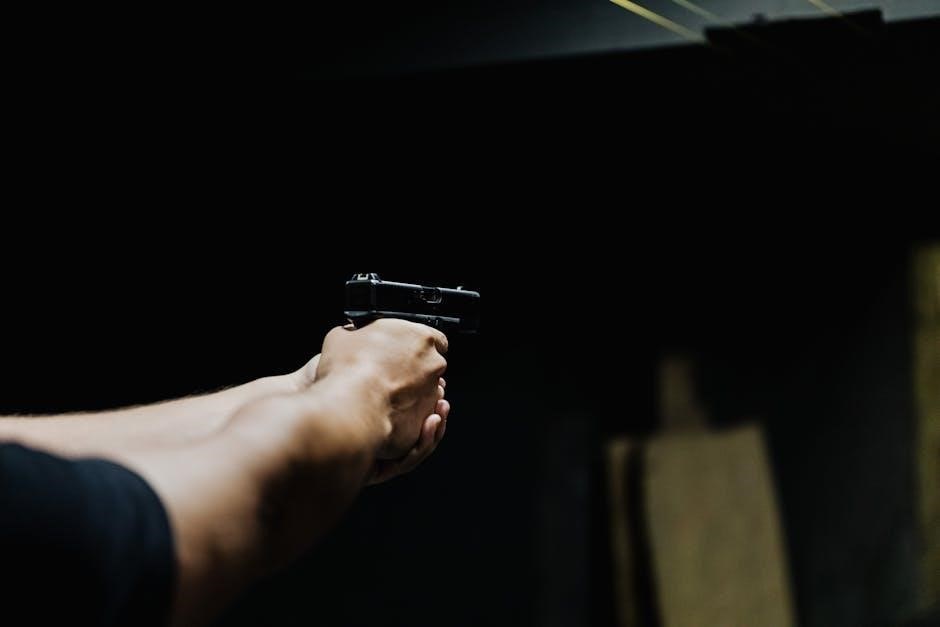
Legal Considerations: Required in Some Jurisdictions
The legal landscape surrounding concealed carry varies significantly, and in certain jurisdictions, a manual safety isn’t merely a preferred feature—it’s a legal requirement. Recent court cases, such as Oneil v. Neronha, are reshaping these regulations, but some states still mandate external safeties on handguns permitted for concealed carry.
This stems from a desire to minimize the risk of accidental discharge and demonstrate a commitment to responsible gun ownership. Understanding these specific state and local laws is crucial for any individual considering carrying a concealed firearm.
Failure to comply with these regulations can result in legal penalties, including the revocation of a carry permit or even criminal charges. Therefore, prospective carriers must thoroughly research and adhere to the laws in their specific location.

Drawbacks and Considerations
Manual safeties introduce complexity, demanding diligent training and practice; user error is possible, and draw speed may be slightly impacted, requiring mindful manipulation.
Increased Complexity: Requires Training and Practice
Introducing a manual safety to a concealed carry pistol undeniably increases the operational complexity for the shooter. Unlike striker-fired pistols without external safeties, these firearms necessitate an additional step in the draw and firing sequence – consciously disengaging the safety.
This added step isn’t inherently negative, but it demands consistent and dedicated training. Muscle memory is paramount; the manipulation of the safety must become instinctive and fluid, performed without conscious thought, especially under stress. Dry fire drills are invaluable for honing this skill safely and efficiently.
Without sufficient practice, the shooter risks fumbling with the safety during a critical self-defense situation, potentially wasting precious seconds. Furthermore, understanding the specific operation of each safety type – thumb, grip, or slide/frame – is crucial, as their mechanisms and locations vary.
Neglecting proper training can negate the safety benefits and introduce a new potential point of failure, highlighting the importance of professional instruction and ongoing practice.
Potential for User Error: Proper Manipulation is Crucial
Despite offering an enhanced safety layer, manual safeties are susceptible to user error if not consistently and correctly manipulated. A common mistake involves failing to fully disengage the safety before attempting to fire, resulting in a frustrating and potentially dangerous malfunction during a self-defense scenario.
Conversely, accidental engagement of the safety during a critical moment is also possible, particularly with thumb safeties if inadvertently bumped during the draw. Proper grip and holster selection play a vital role in mitigating this risk, ensuring the safety isn’t compromised during concealment.
Furthermore, inconsistent application of the safety – sometimes disengaging it fully, other times not – can lead to ingrained bad habits. This highlights the necessity of deliberate, focused practice to develop a reliable and repeatable safety manipulation technique.
Ultimately, the effectiveness of a manual safety hinges entirely on the shooter’s discipline and proficiency in its operation.
Impact on Draw Speed: Can Add a Fraction of a Second
Introducing a manual safety into the draw sequence inevitably adds a step, potentially increasing the time it takes to bring the pistol into action. While modern training methodologies emphasize efficient and fluid movements, the deliberate act of disengaging a safety – whether thumb, grip, or slide/frame – consumes a measurable fraction of a second.
For competitive shooters, this time difference can be significant, but in a self-defense scenario, the impact is often debated. Advocates argue that the added safety outweighs the slight delay, while others prioritize minimizing time-to-fire.
However, consistent, dedicated practice can significantly reduce this impact, building muscle memory and streamlining the draw process. The key lies in integrating the safety manipulation seamlessly into the overall draw stroke, minimizing wasted motion.
Ultimately, the trade-off between speed and safety is a personal decision, dependent on individual skill level and risk tolerance.

Training and Safe Handling Practices
Consistent practice builds crucial muscle memory for manual safety manipulation; proper holster selection ensures secure carry, and dry fire drills refine skills safely.
Consistent Practice: Muscle Memory is Key
Mastering a concealed carry pistol with a manual safety demands dedicated, consistent practice. The goal isn’t simply knowing where the safety is, but developing instinctive, rapid manipulation under stress. Repetitive drills, focusing solely on engaging and disengaging the safety, are paramount to building reliable muscle memory.
This isn’t about speed initially; it’s about accuracy and consistency. Start slowly, ensuring each manipulation is deliberate and correct. Gradually increase speed as proficiency grows. Incorporate practice into your routine – even short, focused sessions daily are more effective than infrequent, lengthy ones.
Simulate realistic scenarios during practice. Draw from a holster (safely, of course!), acquire a target, and practice smoothly transitioning from a safe state to a firing-ready state. Remember, a manual safety is only effective if you can operate it reliably and efficiently when it matters most.
Holster Selection: Ensuring Proper Coverage and Retention
Choosing the right holster is critical when carrying a pistol with a manual safety. The holster must provide robust retention, preventing accidental dislodgement during movement, yet allow for a swift, smooth draw when needed. Full coverage is essential, shielding the safety from unintentional activation or deactivation.
Consider holster materials and construction. Leather and Kydex are popular choices, each offering different benefits. Ensure the holster is specifically designed for your pistol model, guaranteeing a secure and proper fit. A poorly fitting holster compromises both safety and accessibility.
Evaluate the holster’s mounting options – inside-the-waistband (IWB), outside-the-waistband (OWB), or appendix carry – based on your body type, clothing, and comfort preferences. Prioritize quality and reputable brands known for their commitment to safety and durability.
Dry Fire Drills: Safe Practice for Skill Development
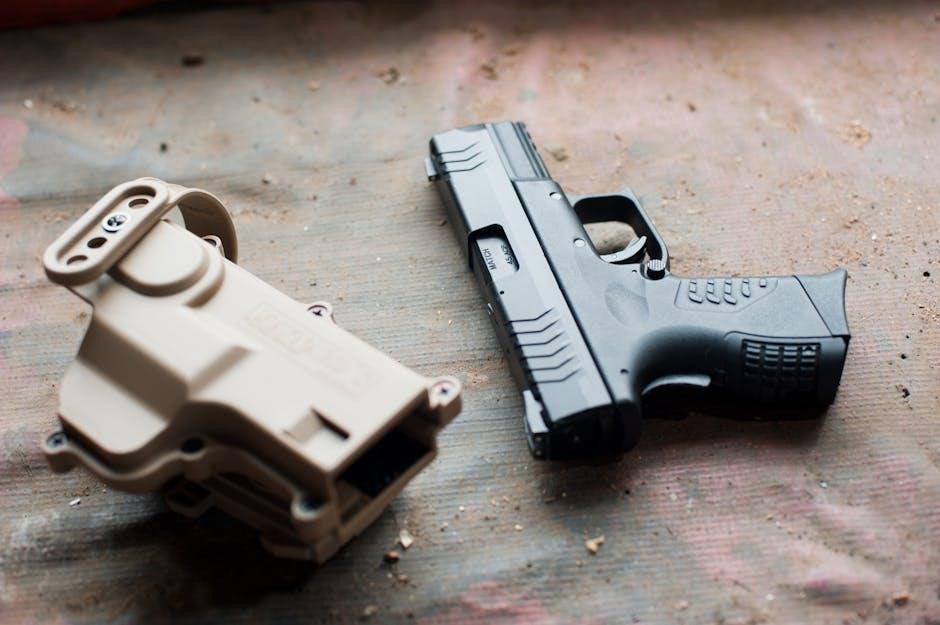
Consistent, safe dry fire practice is paramount for mastering the manipulation of a pistol’s manual safety. These drills build crucial muscle memory, enabling quick and reliable engagement and disengagement of the safety under stress. Always adhere to the four fundamental rules of firearm safety during dry fire sessions.
Focus on practicing a smooth, deliberate draw, ensuring the safety is deactivated only when the firearm is aimed at the intended target. Incorporate scenarios mimicking real-world self-defense situations, such as drawing from concealment and quickly acquiring a sight picture.
Utilize snap-caps to protect the firing pin during repeated dry firing; Regularly assess your technique, identifying areas for improvement. Dry fire drills, combined with live-fire range time, are essential for developing proficiency and confidence with your concealed carry pistol.