Cat Collar Essentials Overview
A cat collar size guide ensures a safe, comfortable fit. Measure the neck, select a size that allows two fingers between collar and neck, and match the chart. Proper fit prevents choking, keeps ID tags visible, and adapts as the cat grows. Use a flexible material and check for proper slack. Keep.
Purpose and Importance of a Properly Fitted Collar
A cat collar size guide ensures a safe, comfortable fit. Measure the neck, select a size that allows two fingers between collar and neck, and match the chart; Proper fit prevents choking, keeps ID tags visible, and adapts as the cat grows. A snug collar supports healthy movement and reduces stress. Owners should also consider the collar’s material, ensuring it is hypoallergenic and resistant to moisture, as damp fur can cause skin irritation. A collar that is adjustable allows for seasonal changes and growth spurts, while a rigid collar may restrict a cat’s neck movement. Regular inspection for wear and tear does not guarantee safety, but it helps maintain well‑being.
Owners should also consider the collar’s material, ensuring it is hypoallergenic and resistant to moisture, as damp fur can cause skin irritation. A collar that is adjustable allows for seasonal changes and growth spurts, while a rigid collar may restrict a cat’s neck movement.Reg
Types of Cat Collars
Cat collars come in breakaway and standard styles. Breakaway collars release under pressure, preventing choking, while standard collars offer a fixed fit. Each type suits different needs: outdoor cats often need breakaway for safety, indoor cats may prefer standard for style Choosing the right type ensures comfort and protection
Breakaway vs. Standard Collars and Their Practical Differences
Breakaway collars feature a spring‑loaded clasp that opens when pressure is applied, preventing a cat from becoming trapped if it gets caught on furniture or a fence. Standard collars have a fixed clasp and remain closed, offering a more traditional look but lacking automatic release. For cats that roam outdoors, a breakaway collar is essential for safety; it allows the collar to slip off quickly if the cat is pulled, reducing the risk of strangulation. Indoor cats or those that are prone to getting tangled in curtains or blinds may be fine with a breakaway feature if they are prone to getting tangled in curtains or blinds. However, even indoor cats can benefit from a breakaway feature if they are prone to getting tangled in curtains or blinds. The material also differs: breakaway collars are often made from nylon or polyester with a reinforced breakaway buckle, while standard collars may use leather or fabric with a simple metal clasp. Size selection is critical for both types; a collar that is too tight can cause discomfort or breathing difficulties, while one that is too loose can slip off or get caught, and can get caught. When choosing a size, measure the cat’s neck, add 1–2 inches for comfort, and consult the size chart. Regularly check the fit, especially for kittens that grow rapidly or adult cats whose weight changes, and adjust accordingly. A fitted collar not only protects the cat but also ensures that identification tags remain visible for recovery the pet goes missing.
Safety Features to Prioritize
Choose a breakaway buckle that releases under pressure, add a durable ID tag with your name and address, and opt for reflective strips for night visibility. Ensure the collar is made of breathable material and fits snugly—two fingers between collar and neck.
Breakaway Mechanism, ID Tags, and Reflective Materials
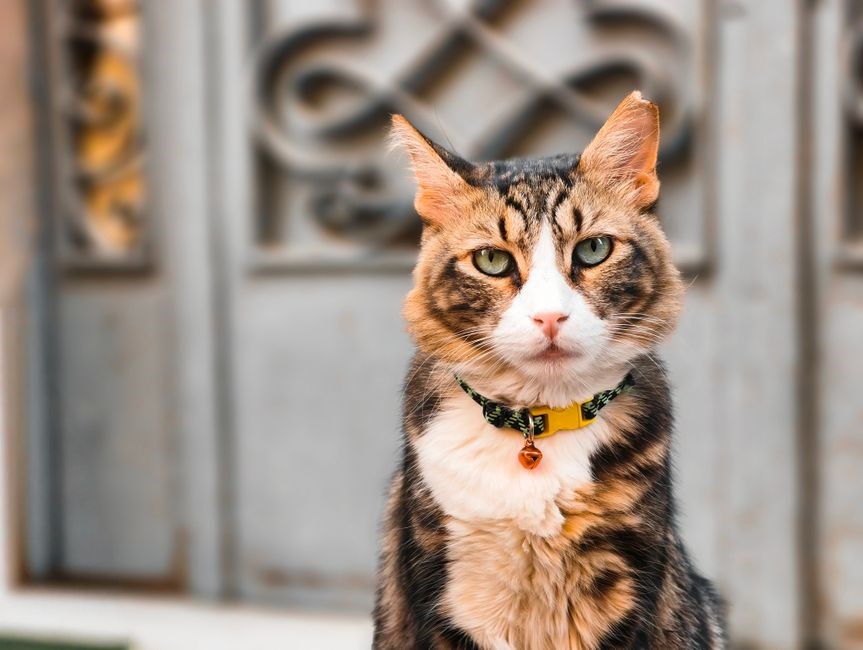
When selecting a collar, the breakaway buckle is essential. It releases when pulled, preventing strangulation if the cat gets caught on a fence or door. Look for a spring‑loaded clasp that snaps open at a safe force, typically 5–10 lb. The buckle should be smooth, with no sharp edges that could snag fur or skin.
Next, attach a durable ID tag. Use a metal or heavy‑weight plastic tag engraved with the cat’s name, your phone number, and your address. The tag should be large enough to be legible from a distance but not so large that it dangles and gets caught. Replace the tag annually or if it becomes scratched or unreadable.
Reflective or glow‑in‑the‑dark materials increase nighttime visibility. Many collars include a strip of reflective tape or a built‑in reflective band. This feature is especially useful for cats that roam outdoors or live near busy roads. Ensure the reflective material is positioned on the front or side of the collar, where it will catch light from streetlamps or headlights.
Finally, test the collar before use. Put it on the cat, slide two fingers between the collar and the neck, and gently tug on the buckle. The collar should stay in place but release if the cat pulls too hard. Regularly inspect the buckle, tag, and reflective strip for wear or damage, and replace as needed to maintain safety. Always replace the collar when the buckle feels loose or the tag is damaged to ensure safety daily.
Measuring Your Cat for a Collar
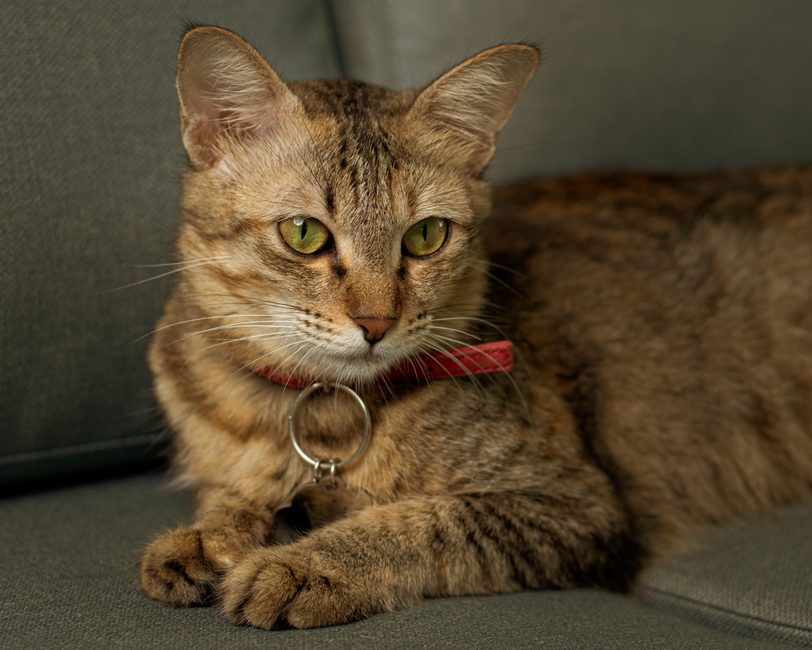
Measure the neck with a soft tape just below the ears, sliding two fingers between collar and neck for slack. Record the measurement in inches. Match it to the size chart. Avoid tight fits that restrict breathing or cause discomfort.
Check collar after a week; adjust if too tight or loose now.
Tools, Techniques, and Common Mistakes to Avoid
When measuring your cat for a collar, start with a flexible, non‑stretch measuring tape—ideally a soft fabric or nylon tape that can bend around the neck without compressing the skin. Keep the tape level and snug, but not tight; you should be able to slide two fingers between the tape and the cat’s neck. A second pair of tweezers can help you gently lift any loose fur that might otherwise conceal the true circumference. A handheld mirror is useful for checking that the tape is positioned correctly behind the ears, especially for cats that pull or try to escape. Avoid using a rigid ruler or a tape that snaps back, as these can give an inaccurate reading or cause discomfort. Never measure over a tangled or matted patch of fur; such areas can inflate the measurement and lead to a collar that is too loose. Instead, gently brush the fur into place before measuring. Always double‑check the reading in a light or with a second person to catch any misreadings. For cats, a monthly check is sufficient, but if the cat’s weight changes significantly, re‑measure immediately. A collar that is too can restrict breathing or cause skin irritation, while a collar that is too loose can slip off or become a choking hazard. Remember to adjust the collar if your cat shows signs of discomfort or if the tag moves. By following these tools, techniques, and avoiding the common mistakes, you’ll ensure a safe, comfortable fit that keeps your cat secure and identifiable.!
Interpreting the Size Chart
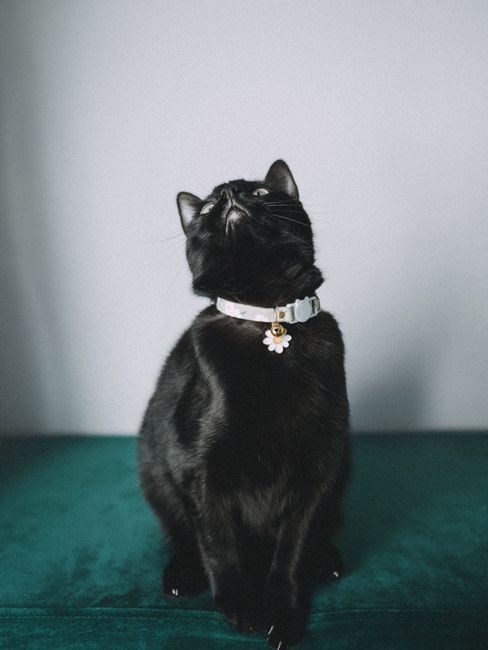
Length, width, and neck circumference are interrelated. A larger neck requires a longer, wider collar Match the measured circumference to the chart’s size label, ensuring two fingers fit between collar and neck Adjust for long‑haired cats by measuring over fur
When consulting a cat collar size chart, three dimensions—neck circumference, collar length, and collar width—work together to determine the correct size label. Neck circumference is the primary metric; measure around the base of the cat’s neck, ensuring the tape is snug but not tight. Collar length, measured from front to back, must accommodate the neck plus a small allowance for movement. Collar width, the distance from front to back at the widest point, must be enough to prevent digging into the skin while still allowing the breakaway mechanism to function. Most charts provide ranges for each size; for example, a “Medium” may correspond to a neck circumference of 12–14 inches, a collar length of 8–10 inches, and a width of 0.5–0.75 inches. If the measurements fall within overlapping ranges, choose the larger size to avoid constriction. Always double‑check the width and length to ensure the collar sits comfortably and the safety features remain accessible.!
When the measurements fall into overlapping ranges, choose the larger size for comfort. For long‑haired cats, measure over the fur to account for bulk. Some collars feature adjustable straps; use them to fine‑tune the fit without compromising the breakaway. Re‑measure monthly for adults, especially if weight changes, to keep a safe fit. For kittens, a weekly check is advisable due to rapid growth. Use a flexible, breathable material to prevent chafing. Finally, always test the collar by gently pulling to confirm the breakaway releases at the correct tension. This ensures the collar stays secure during play and walks, please!
Long-Haired Cats Collar Fit Tips
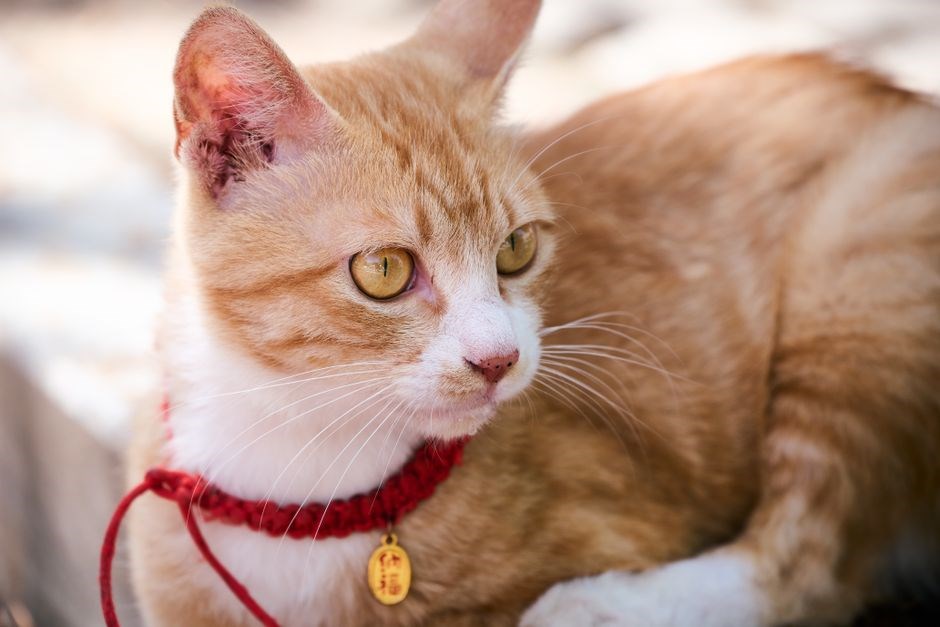
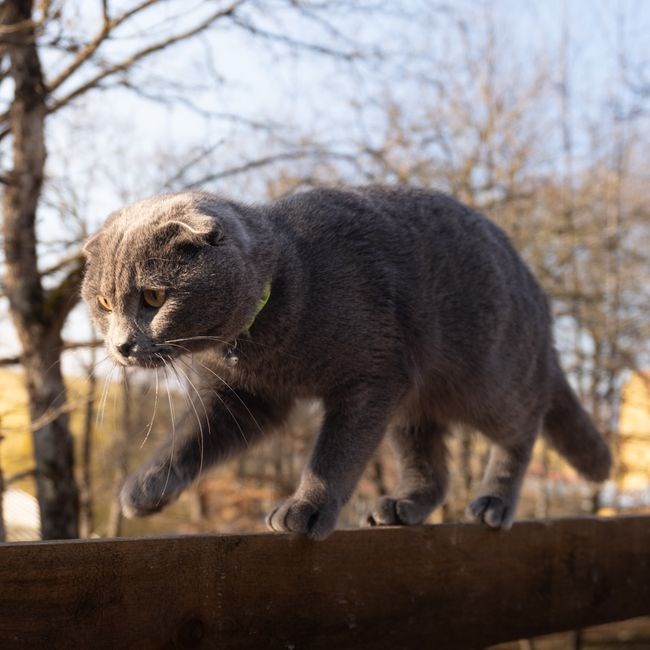
For long‑haired cats, measure over the fur, not parting it, to capture true neck width. Use a collar with a slightly larger size to accommodate fur bulk. Adjust the breakaway to ensure it stays snug but not tight for safe play. Keep collar snug but not tight. For safe play. Now Keep it light Stay now
Measuring Over the Fur and Adjusting for Tangles
When fitting a collar to a long‑haired cat, start by gently pulling the fur away from the neck to expose the skin. Measure the circumference at the base of the neck, ensuring the tape or measuring stick lies flat against the fur’s outer surface. This measurement captures the true width the collar must accommodate, including any fluff that could otherwise create a tight fit. Once you have the raw figure, consult the size chart and select the next larger size to allow for natural movement and potential growth. If the cat’s fur tends to tangle or form mats, trim any loose strands before measuring; this prevents the collar from snagging and reduces the risk of injury. After selecting the collar, adjust the breakaway mechanism so it opens at a safe distance—typically 1–2 centimeters from the cat’s neck—ensuring it can release if the collar catches on an object. Finally, test the collar by gently pulling on it; you should feel a slight give but no excessive slack. Repeat this process every month or whenever you notice a change in weight or fur density, as long‑haired cats can experience significant changes in coat thickness over time. By following these steps, you’ll maintain a comfortable, secure fit that protects your cat while allowing freedom of movement. Adjust the breakaway if needed. Use a lining.
Kittens Collar Guidelines
Measure a kitten’s neck weekly, using a flexible tape. Pick the smallest size that allows two fingers between collar and neck. Replace the collar every 2–3 weeks as growth accelerates. Ensure a breakaway feature for safety, and double‑check fit after each change Keep collars light, avoid charms
Frequent Re-Measurements and Growth Rate Considerations
When a kitten is just a few weeks old, its neck circumference can change dramatically in a matter of days. A collar that fits perfectly at birth may become a choking hazard within a fortnight if the owner does not re‑measure. The most reliable strategy is to check the neck size every three to four days during the first month, then weekly until the kitten reaches six weeks. After that, bi‑weekly measurements are usually sufficient, unless the kitten is a rapid grower or has a large breed lineage. Use a flexible measuring tape that can slide under the fur without pulling. Wrap the tape snugly around the base of the neck, just above the ears, and record the measurement in millimeters. Compare the new figure to the collar size chart: if the difference exceeds 10 mm, it is time to upgrade. Always leave a two‑finger gap between the collar and the neck to allow breathing and movement. Keep a log of measurements so you can track growth trends and anticipate the next size change. This proactive approach reduces the risk of a tight collar, prevents skin irritation, and ensures the kitten’s safety while it explores its surroundings. Keep the collar snug, not tight. If the collar feels too snug or the kitten shows signs of discomfort, adjust immediately. Check the collar during play; sudden pulls can shift it, so adjust if needed now. A well‑maintained collar not only protects the kitten but also provides a reliable point for any emergency alwaysnow.
Adult Cats and Weight Changes
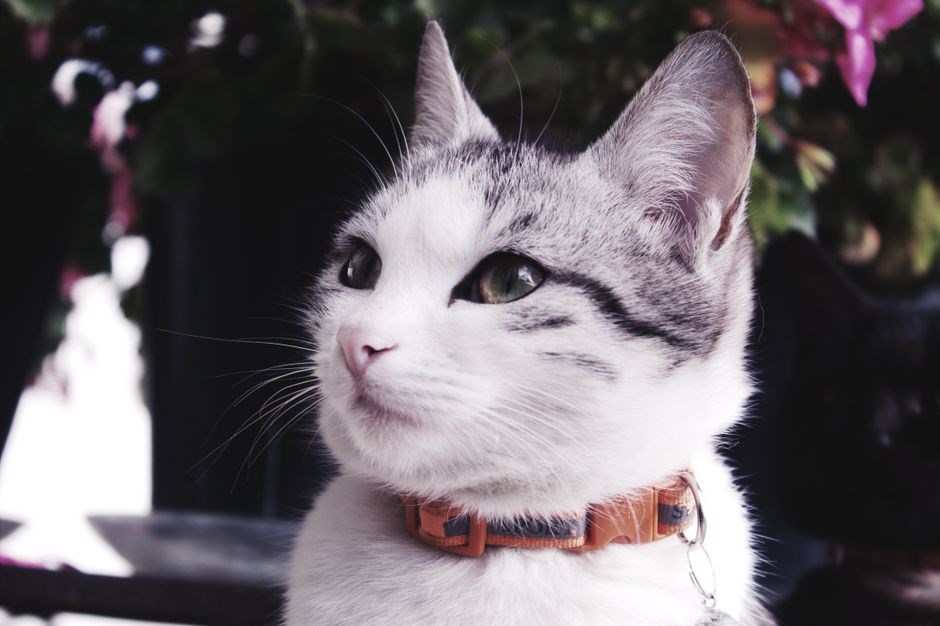
Adult cats may gain or lose weight, altering neck circumference. Check fit monthly; adjust collar size if measurement changes by more than 5 mm. Use a flex collar that allow gap. A snug fit prevents choking, while a loose one may slip off. Monitor regularly.
Monthly Check-Ups and Adjusting Collar Size Accordingly
Monthly collar reviews are essential for adult cats whose body mass can fluctuate due to diet, activity, or health changes. Begin by gently sliding a ruler or measuring tape around the neck just below the ears, where the collar sits. Record the circumference in millimeters. If the new measurement exceeds the previous by more than 5 mm, it is time to upgrade to the next size on the chart. Conversely, a reduction of 5 mm or more indicates a tighter fit. Always leave a two‑finger gap between the collar and the neck to allow breathing and prevent choking. Use a breakaway collar for safety, especially if the cat is prone to getting caught on furniture or outdoor hazards. Adjust the collar’s strap or buckle to achieve the correct slack, but avoid over‑loosening, which can lead to accidental detachment. For cats with sudden weight loss, such as those recovering from illness, a tighter collar may be needed to maintain visibility of ID tags and reflectors. For those gaining weight, a looser fit ensures comfort and reduces the risk of skin irritation. Keep a log of monthly measurements and any changes in the cat’s behavior or health. If the cat shows signs of discomfort—such as rubbing the neck, scratching, or avoiding the collar—immediately reassess the fit. A well‑adjusted collar not only protects the cat but also provides peace of mind for the owner. Remember to re‑measure after any significant weight change Keep monitoring.